Sermons
By: The Revd Robert Morley
- Mothering Sunday
 Today is Mothering Sunday, which is an excellent occasion to be celebrating a baptism, the baptism of young Derian. But before we talk about little Derian and his family, I feel I have to begin by telling you about Mothering Sunday, which isn’t the same thing as Mother’s Day. They are different holidays that are… Read more: Mothering Sunday
 - The Samaritan woman at the well
 One afternoon towards the end of my teaching career, I was taking an English class in Pavia and – because we’d finished the work we had to do – I tried to start a conversation. Now, if you are an English teacher, and I know that there are several in the congregation, you’ll know that… Read more: The Samaritan woman at the well
 - The Feast of the Transfiguration
 This morning you have heard our story. What happened that day. It began with a walk and ended with a secret. A long walk. Up from the lakeside, past the last of the villages, then up to top of the mountain following goat tracks. You do know who I am, don’t you? You should know… Read more: The Feast of the Transfiguration
 - Candlelight
 If you look at the top of your pew sheet you will see that today we seem to be celebrating two different things. At the top of the page you can see The Presentation, then – in brackets – Candlemas. So the first thing we need to be clear about is that Candlemas and The… Read more: Candlelight
 - Exegesis by numbers
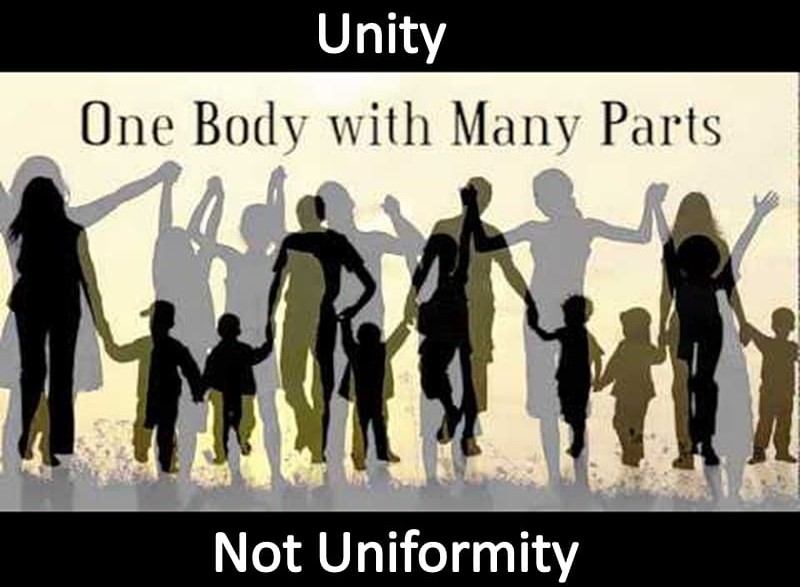 This week we have been celebrating the week of Christian unity, and there could be no more fitting passage than the one we have just heard from chapter 4 of his letter to the Ephesians: these verses are St Paul’s great call for Christian unity. But, as so often in his writings, what Paul has… Read more: Exegesis by numbers
 - Teatime with Jesus
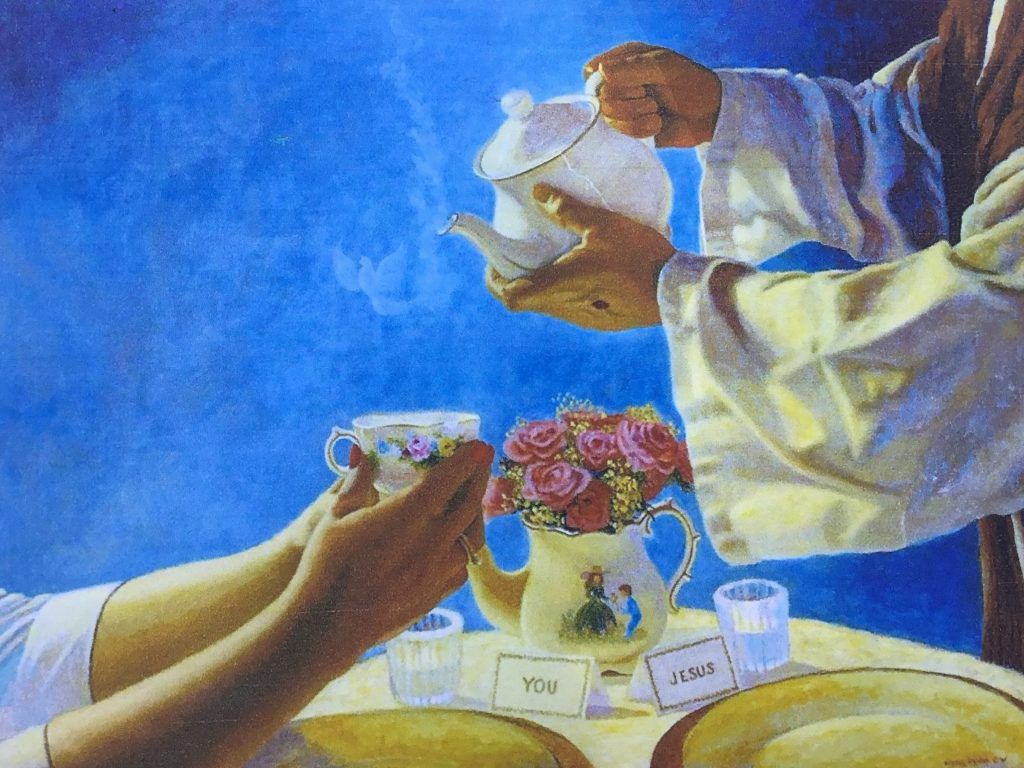 They said to him, ‘Rabbi’ (which translated means Teacher), ‘where are you staying?’ 39He said to them, ‘Come and see.’ They came and saw where he was staying, and they remained with him that day. It was about four o’clock in the afternoon.This is a lovely detail: two of John the Baptist’s disciples, Andrew and his… Read more: Teatime with Jesus
 - Jesus’s baptism according to Matthew
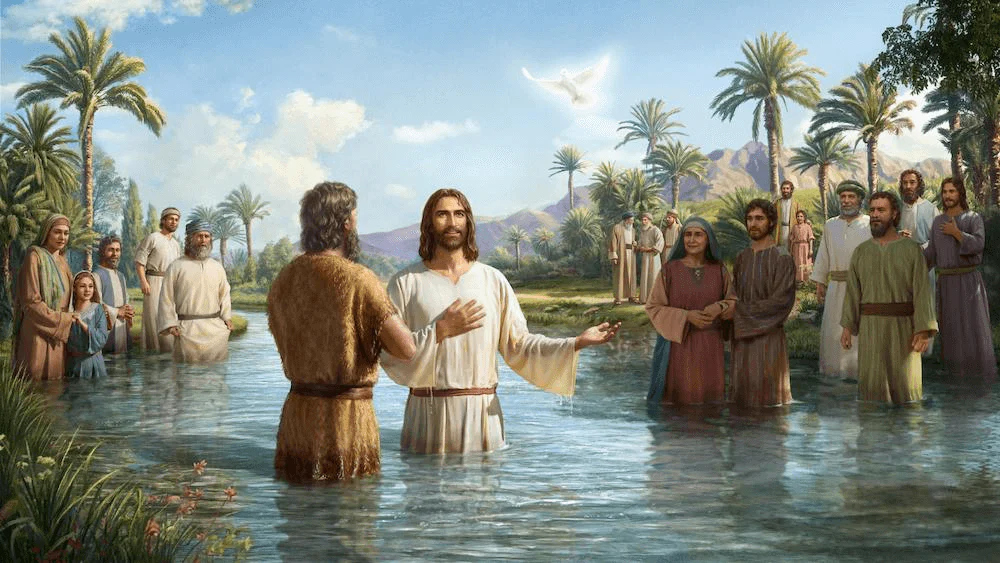 As I’m sure you are all aware, we are waiting for there to be a new ABC: Dame Sarah Mullally, currently the Bishop of London is going to be formally installed in Canterbury cathedral in March. So I’d like you to imagine, just for a moment, that next Sunday she comes here, to HGG. She… Read more: Jesus’s baptism according to Matthew
 - Epiphany
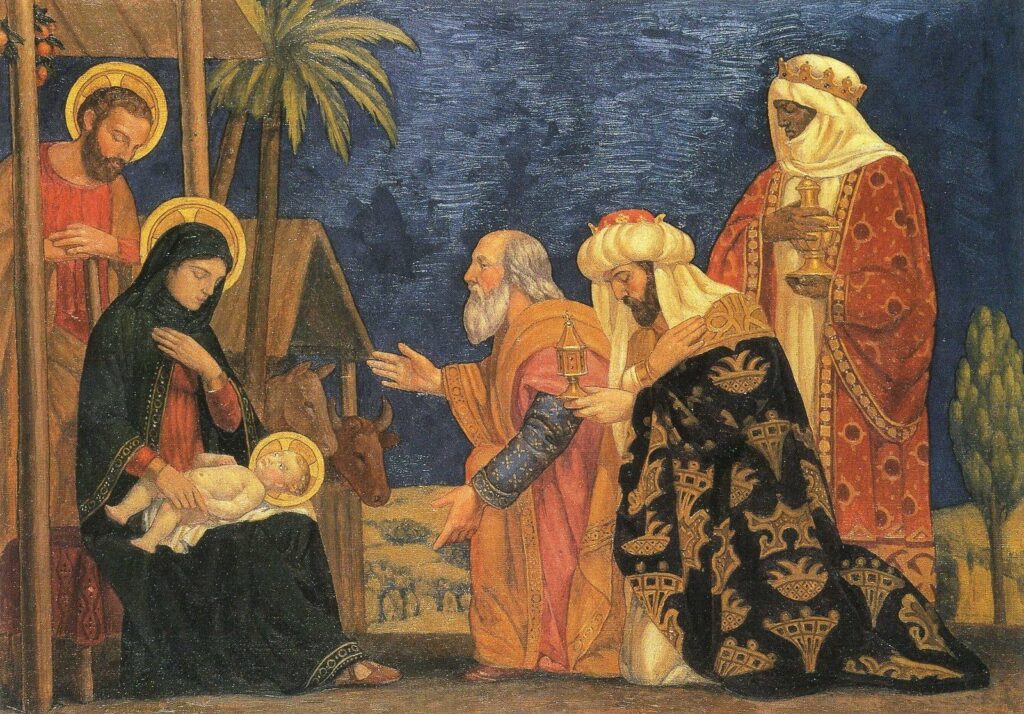 Most of us, from time to time, enjoy the game of dividing humanity into two. There are two types of people, we say: night owls and early birds; or there are cat-lovers and dog-lovers. It wouldn’t be difficult to come up with Christmas versions of the same game: there are two types of family… Read more: Epiphany
 - The Festival of The Holy Innocents
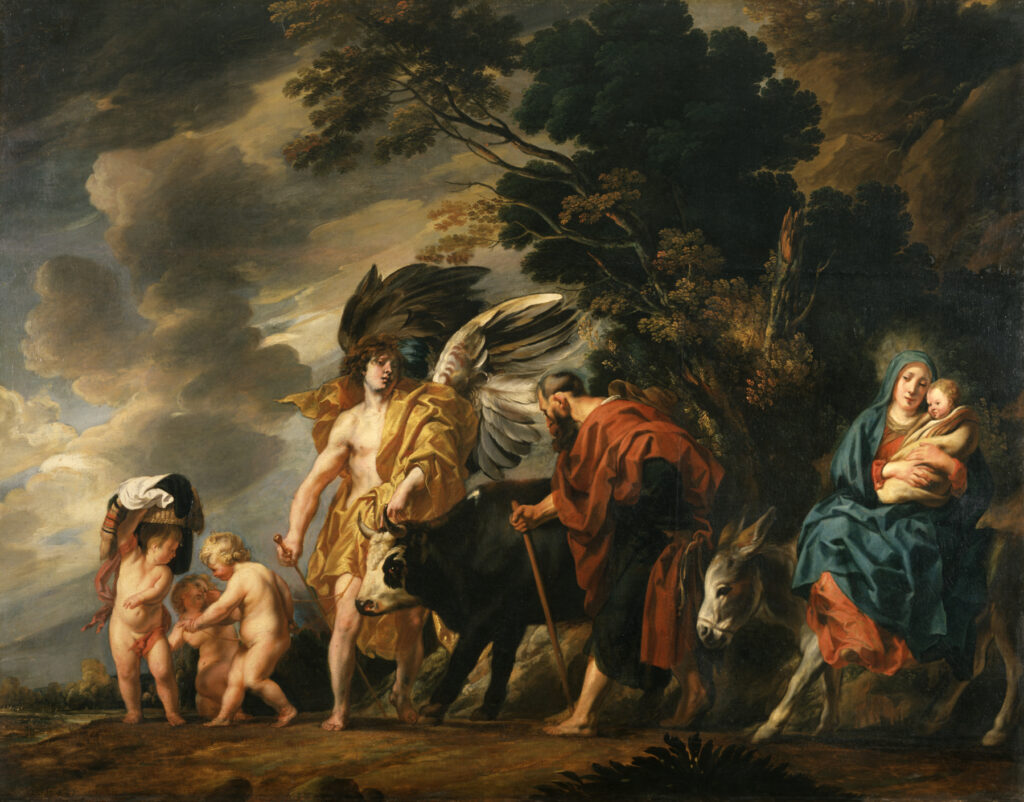 King Herod knew he wasn’t a very popular king, indeed he knew that people would probably be celebrating when he died; so what he did, according to the Jewish historian Josephus, was to arrange for 2,000 noblemen, from the leading families in his Kingdom, to be crucified at the moment of his death – that… Read more: The Festival of The Holy Innocents
 - Christmas Day: John’s Christmas
 The story we’ve come to church to be reminded of this morning – angels and stars, shepherds and kings, carols and goodwill among men – and all centering on the birth of Mary’s child in a stable – that’s the story we find in Luke’s Gospel and in Matthew’s Luke’s. What John’s Gospel does is… Read more: Christmas Day: John’s Christmas
 - Advent 4: Matthew’s Christmas
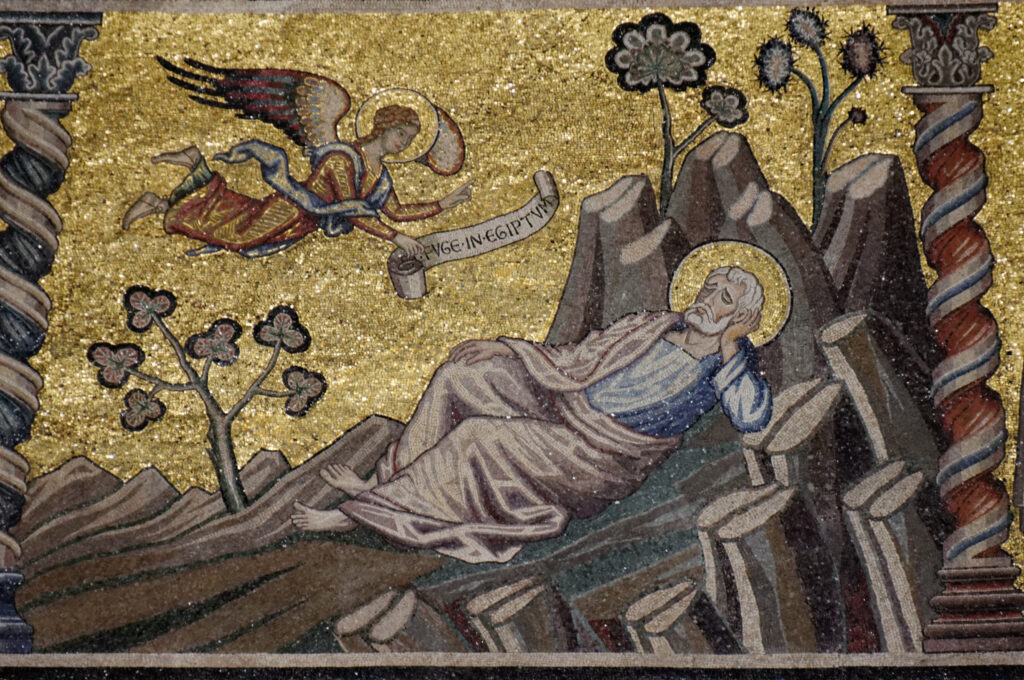 For many years I used to do a Christmas quiz with my university students that began like this: ‘Two of the Gospel’s tell the Christmas story, and two of them don’t: which two give an account of the birth of Jesus?’ It always amazed me how few knew the correct answer –whether because they were… Read more: Advent 4: Matthew’s Christmas
 - Advent 3: The least in the Kingdom of Heaven
 In the church’s calendar, today is known as Gaudete Sunday. Gaudete means rejoice: traditionally, it is that moment during Advent when we lift our noses out of the rubric that tells us that this is a season of waiting and fasting, a time of patient preparation while being harangued by John the Baptist, and we… Read more: Advent 3: The least in the Kingdom of Heaven
 - Advent 2: Two questions and a story
 This morning I have two questions and a story. The first question is this: What is church for? What is its role? One answer might be that the church should be doing exactly what John the Baptist did; it is sent to prepare the way of the Lord. However, what John the Baptist did before… Read more: Advent 2: Two questions and a story
 - Advent Sunday – our first healing service
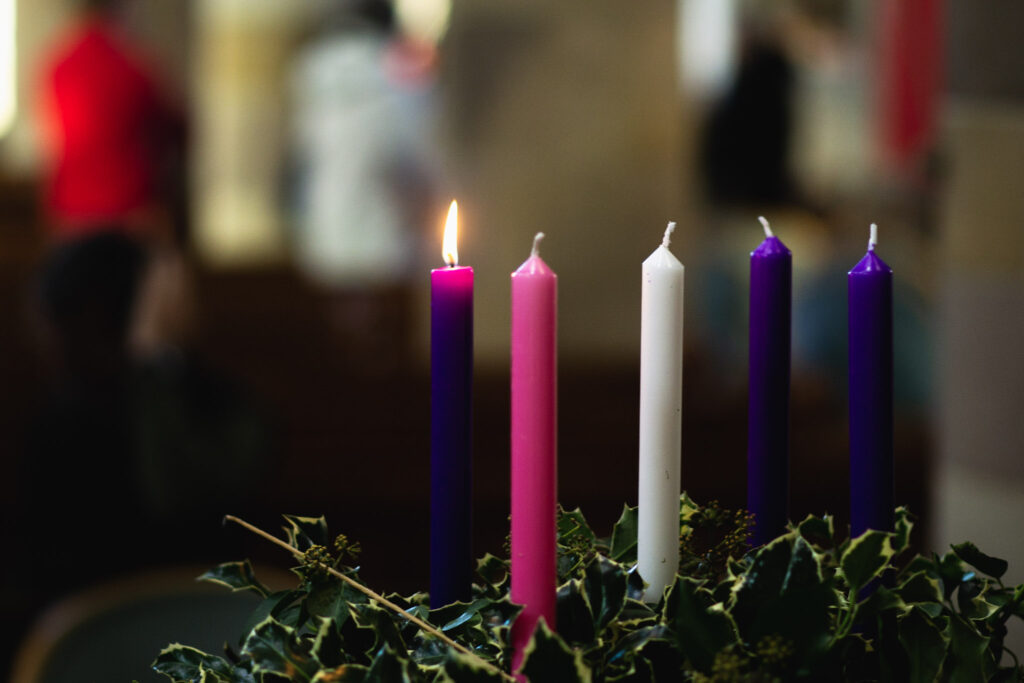 You know what time it is, says Paul in his Letter to the Romans, how it is now the moment for you to wake from sleep. For salvation is nearer to us now than when we became believers… Let me take two phrases from that verse: you know what time it is; and salvation is… Read more: Advent Sunday – our first healing service
 - Christ the King Sunday
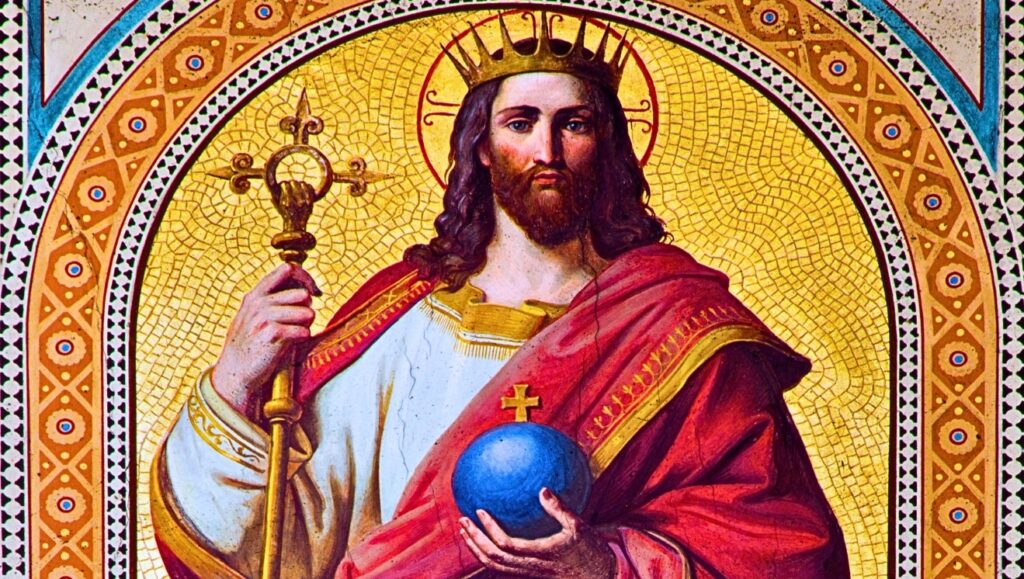 Today we celebrate the Feast of Christ the King. This is the last Sunday in the liturgical year, the calendar of the church. So we go out on a high note, proclaiming that Jesus is Lord – hallelujah! – and that Christ is King. Actually, this is quite a new feast in the church’s calendar.… Read more: Christ the King Sunday
 - 2nd Sunday before Advent
 A word of warning: today I intend to preach a weird sermon. That’s because recently I learnt that I come from a weird country. Indeed, I have lived all my life in weird countries. We are living in a weird country: Britain and Italy are both examples of weird countries. Let me explain what I… Read more: 2nd Sunday before Advent