
Back in England I have an allotment. I am a beginner with growing things. When I first got my allotment, I was frightened of pulling anything up. I simply couldn’t tell the difference between a weed and something I had planted. More than once I had to wait until it grew enough to reveal what it really was. Now when I recognise a weed I immediately exterminate it. “You don’t belong here and you will ruin what I am trying to do. Ciao!”
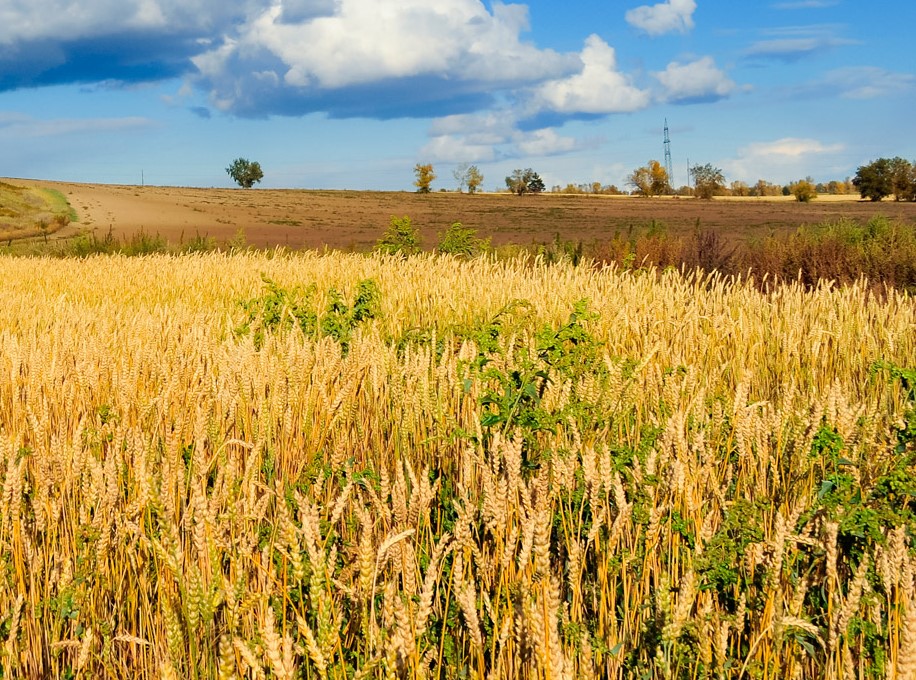
Recap story: In this parable Jesus tells his friends about a man who owns a field. He sows seed in the field. It is all good seed but the text says in verse 25 while men were sleeping, his enemy came and sowed weeds among the wheat and went away. The wheat comes up but so do weeds.The man’s workers ask – how has this happened? You only planted good seed. The owner says, (vs 28) “an enemy has done this.”
The workers want to get rid of the weeds but the owner says “no, let them be otherwise the wheat will be damaged or ruined.
What is this all about? The man/owner of the field represents God. Why would God allow these weeds to remain? Surely like me he wants to rid his world of evil?
I mean, If God is good why should bad people even exist? Or Why when some people do terrible things God doesn’t blitz them straight away? The workers in the parable want to blitz these ‘weeds’. (vs28) Why should God show patience?
Luke 9tells the story where Jesus has been teaching people but they do not accept him. James and John (the ones who consider themselves first in God’s eyes) say to Jesus, (vs 54) “Lord, do you want us to tell fire to come down from heaven and consume them?” They clearly believe they can indeed call fire down. They are incensed. How dare these people not accept Jesus?!
Their impulse is the same as those of the workers: eliminate the bad people now. Jesus’ response to them is striking – he rebukes them – This is not my spirit. “For the Son of Man did not come to destroy men’s lives but to save them.”
We return to WHY? What we might miss in this parable is that it is because of his care for the wheat that the owner does not allow the weeds to be pulled up.
The owner is not indifferent to the weeds. He doesn’t say they are good. He doesn’t pretend they aren’t there. He simply says that removing them now would damage the wheat.
God’s patience is not weakness. It is care.
This parable is also reminder that God alone will bring justice in His time. The early church may well have prayed for Saul of Tarsus to be exterminated but if this had happened we would not have had Paul the Apostle. They would have seen an enemy. God saw an Apostle.
Many of us will have experienced injustice at some point in our lives. We may want revenge or we may pray curses upon the people who have perpetrated these things against us. And it is understandable to be angry and hurt when we have been treated unjustly.
But we know that God is forebearing and patient. We really like that for ourselves. But we often do not want that for others. This parable tells us what the kingdom of God is like. It is a kingdom of love and grace and a kingdom where justice WILL eventually be complete.
Let’s return to the passage – when the harvest is to be brought in, the owner says (vs30). “Bring it into my barn.” the owner could have said, ‘bring in the wheat’ but he is specific.
‘my barn’…..mine…. carries a note of belonging, protection, and home. He has prepared a place for us.
Will you recognise his care over you even when you don’t understand? Will you trust God to bring justice to you in His time? His promise that he will lead you home (his barn) and He will not fail.