
Book of Remembrance
June 4, 1944
A Living Memorial of Peace
Welcome
Welcome to the digital Book of Remembrance.
This collection brings together letters and messages written by people from around the world in remembrance of the events of 4 June 1944 in Genoa, Italy.
Each letter reflects a personal hope for peace, remembrance, and reconciliation. Although written by individuals from different countries, cultures, and generations, they share a common belief: that every human life has equal value and that the lessons of history should unite rather than divide us.
The Events of 4 June 1944
On the morning of Sunday, 4 June 1944, American bombers flying as part of the Allied campaign against the Axis powers carried out a bombing mission over Genoa, Italy. Their objective was to strike industrial targets and the railway lines connecting Arenzano to Genoa, which were considered important to the German war effort.
While the intended transportation network remained largely intact, the bombing had devastating consequences for the people of Genoa. Ninety-three civilians lost their lives, more than 130 were wounded, and eighteen American airmen were also killed during the mission.
This Book of Remembrance honors every person whose life was forever changed by the events of that day. It stands not as a celebration of war, but as a reminder of its human cost. Behind every name was a family, a future, and a life of equal value.
Created during the commemorations of the 250th Anniversary of the United States, this memorial seeks to preserve the memory of all who were affected by this tragedy. May their stories encourage remembrance, understanding, reconciliation, and an enduring commitment to peace.
May we never forget that every life lost in war is a loss shared by humanity.
A Voice from Genoa
The following is an imagined testimony inspired by the experiences of the people of Genoa who lived through the bombing of 4 June 1944. Though fictional, it reflects the fear, loss, and resilience shared by many families affected that day.
It is dedicated to the memory of the 93 civilians who lost their lives, the 130 who were wounded, and all whose lives were forever changed by war.
Nella notte tra il 23 e 24 ottobre 1942, 100 quadrimotori britannici lanciarono sul porto di Genova e sulla città 180 tonnellate di bombe, alcune di queste colpirono il vecchio edificio di Pammatone, all’epoca un ospedale, che incendiandosi subì gravi danni. Nell’autunno del 1943 Genova fu bombardata altre sei volte e 1250 case vennero distrutte, Pammatone fu di nuovo colpito e squarciato dalle bombe.
Mia nonna, Amalia Dozzo (Genova, 1913 – 2008), era infermiera a Pammatone ed era di turno la notte del primo bombardamento. A distanza di anni i ricordi di quella notte terribile erano ancora molto vivi. Mia mamma, la sua unica figlia, era per fortuna ospitata da una parente presso Bargagli. Più di una volta mia nonna mi ha parlato della sua vita durante la guerra e questa è la lettera che ho immaginato avrebbe
potuto scrivere subito dopo il bombardamento di Pammatone.
Genova, 25 ottobre 1942
Mia cara zia Giulia,
ti scrivo con le mani che ancora tremano e il cuore pesante, mentre cerco un attimo di pace in questo inferno. La nostra bellissima Genova è stata straziata da un lungo bombardamento e l’ospedale di Pammatone non esiste quasi più.
Ieri ho vissuto il momento più drammatico da quando è iniziata questa guerra. Ero di turno all’ospedale
quando l’allarme ha iniziato a suonare. Non abbiamo fatto in tempo a mettere al sicuro tutti i malati che le bombe ci sono cadute addosso. Il boato è stato assordante, la terra ha tremato e le pareti sono crollate sopra di noi. Polvere, fumo accecante, urla di terrore. Curare i feriti mentre le stesse corsie dell’ospedale venivano distrutte è un’immagine che non mi lascerà mai.
L’unico pensiero che mi dà forza in questa tragedia è sapere che la mia piccola è al sicuro. Ringrazio
Dio ogni giorno per essere riuscita a mandare mia figlia da te a Bargagli. Ha solo sei anni, troppo pochi per vedere l’orrore che ci circonda. Sapere che lassù è lontana dai bombardamenti e dalle sirene è per me un conforto.
E in tutta questa disperazione, c’è un piccolo miracolo che mi tiene in vita. Ogni volta che finisce un bombardamento e il mio turno di lavoro in ospedale giunge al termine, cammino sfinita verso casa con
il cuore in gola, temendo il peggio. Ma la mia casa è ancora in piedi, risparmiata dalle bombe anche questa volta!
Purtroppo, altre persone non hanno avuto la stessa fortuna. La casa dei miei suoceri è stata completamente distrutta, rasa al suolo. Pensare a quel luogo pieno di ricordi felici, dove la mia bimba
giocava serena fino a pochi mesi fa, ridotto in polvere mi riempie di una tristezza profonda. Ti prego, scrivimi presto e dammi notizie di mia figlia.
Tua con infinito affetto,
Amalia
Rossella Risso
Insegnante di Lingua e Letteratura Inglese
Presso IIS Montale – Nuovo IPC, Genova
On the night of 23–24 October 1942, 100 British four-engine bombers dropped 180 tons of bombs on
the port of Genoa and the city itself. Some of these bombs struck the old Pammatone building, which at
the time was a hospital. The building caught fire and suffered severe damage. In the autumn of 1943, Genoa was bombed six more times and 1,250 houses were destroyed. Pammatone was hit again and torn apart by bombs.
My grandmother, Amalia Dozzo (Genoa, 1913–2008), was a nurse at Pammatone and was on duty on the night of the first bombing. Even many years later, the memories of that terrible night remained vivid. My mother, her only daughter, was fortunately staying with a relative in Bargagli. On more than one occasion, my grandmother spoke to me about her life during the war, and this is the letter I imagined she might have written immediately after the bombing of Pammatone.
Genoa, 25 October 1942
My dear Aunt Giulia,
I am writing to you with hands that still tremble and a heavy heart, as I try to find a moment of peace in this hell. Our beautiful Genoa has been devastated by a prolonged bombing raid, and the Pammatone Hospital is almost completely gone.
Yesterday, I lived through the most dramatic moment since this war began. I was on duty at the hospital when the air-raid alarm began to sound. We did not have time to move all the patients to safety before the bombs fell upon us. The explosions were deafening, the ground shook, and the walls collapsed
around us. Dust, blinding smoke, screams of terror. Treating the wounded while the hospital wards themselves were being destroyed is an image that will never leave me.
The only thought that gives me strength in this tragedy is knowing that my little girl is safe. I thank God every day that I was able to send my daughter to stay with you in Bargagli. She is only six years old—far too young to witness the horror that surrounds us. Knowing that she is far away from the bombings and the air-raid sirens is a great comfort to me.
And amid all this despair, there is a small miracle that keeps me going. Every time a bombing raid ends and my shift at the hospital comes to an end, I walk home exhausted, my heart in my throat, fearing the worst. Yet my house is still standing, spared by the bombs once again!
Sadly, others have not been so fortunate. My in-laws’ house has been completely destroyed, reduced to rubble. Thinking of that place, filled with happy memories, where my little girl played so happily until just a few months ago, now turned to dust, fills me with profound sadness.
Please write to me soon and tell me how my daughter is doing.
Yours with endless affection,
Amalia
Rossella Risso
Teacher of English Language and Literature
IIS Montale – Nuovo IPC, Genoa
The Airmen
Chuck-A-Lug
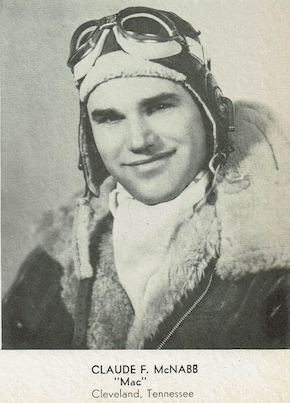
McNabb, Claude F
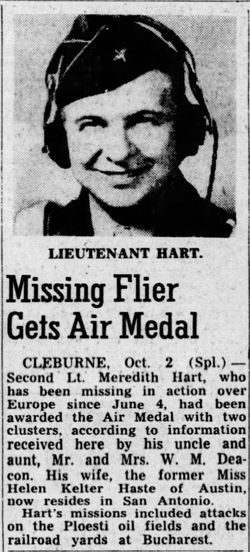
Hart, Meredith
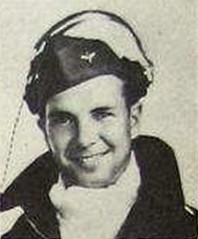
Johnstone, Gerald H
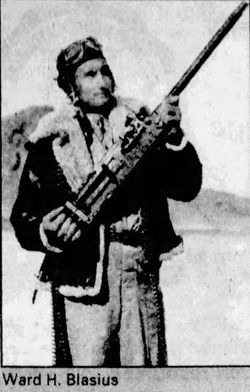
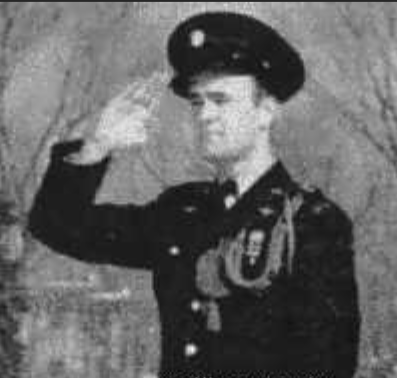
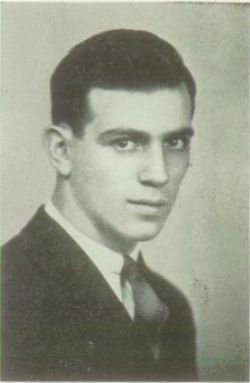
Dorazio, Nicola A

Goggin, James R

LaForce, Raymond L
Victory Vixen
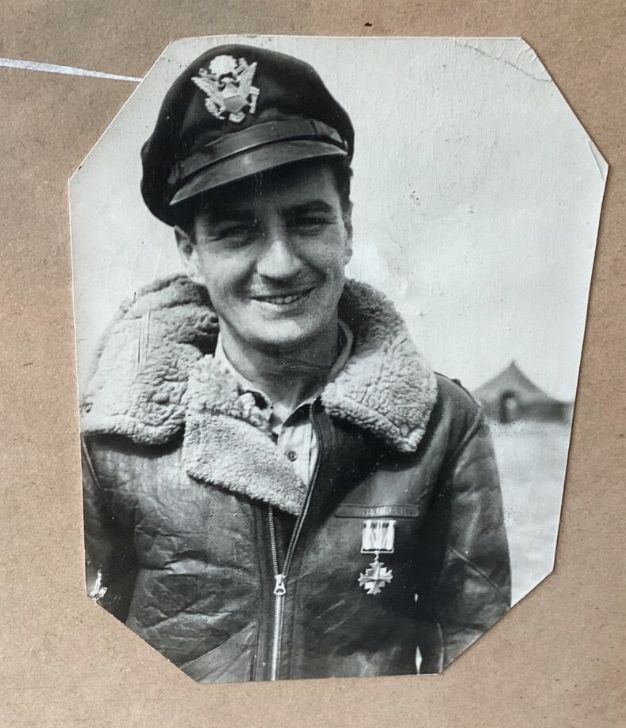
McKee, William H
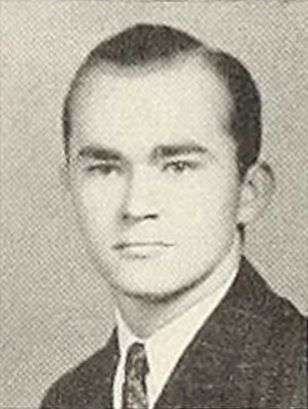
Stahlman, Elmer F S
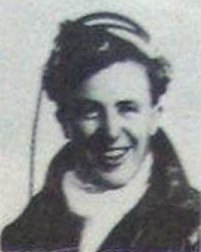
Washer, Oscar N

Bliss, Robert W
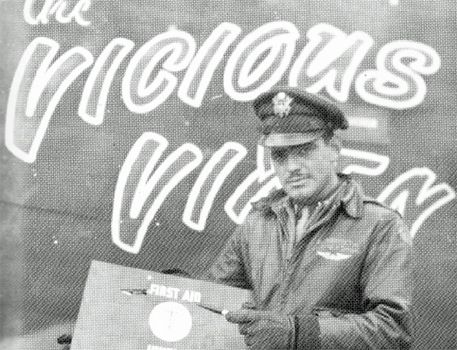
Braun, Arthur C, Jr

Chipkin, Morris

Kennison, George R
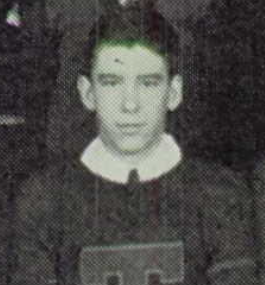
Lindsay, Russell W
Rousseau, Richard W
Organizations Who Submitted Letters of Remembrance
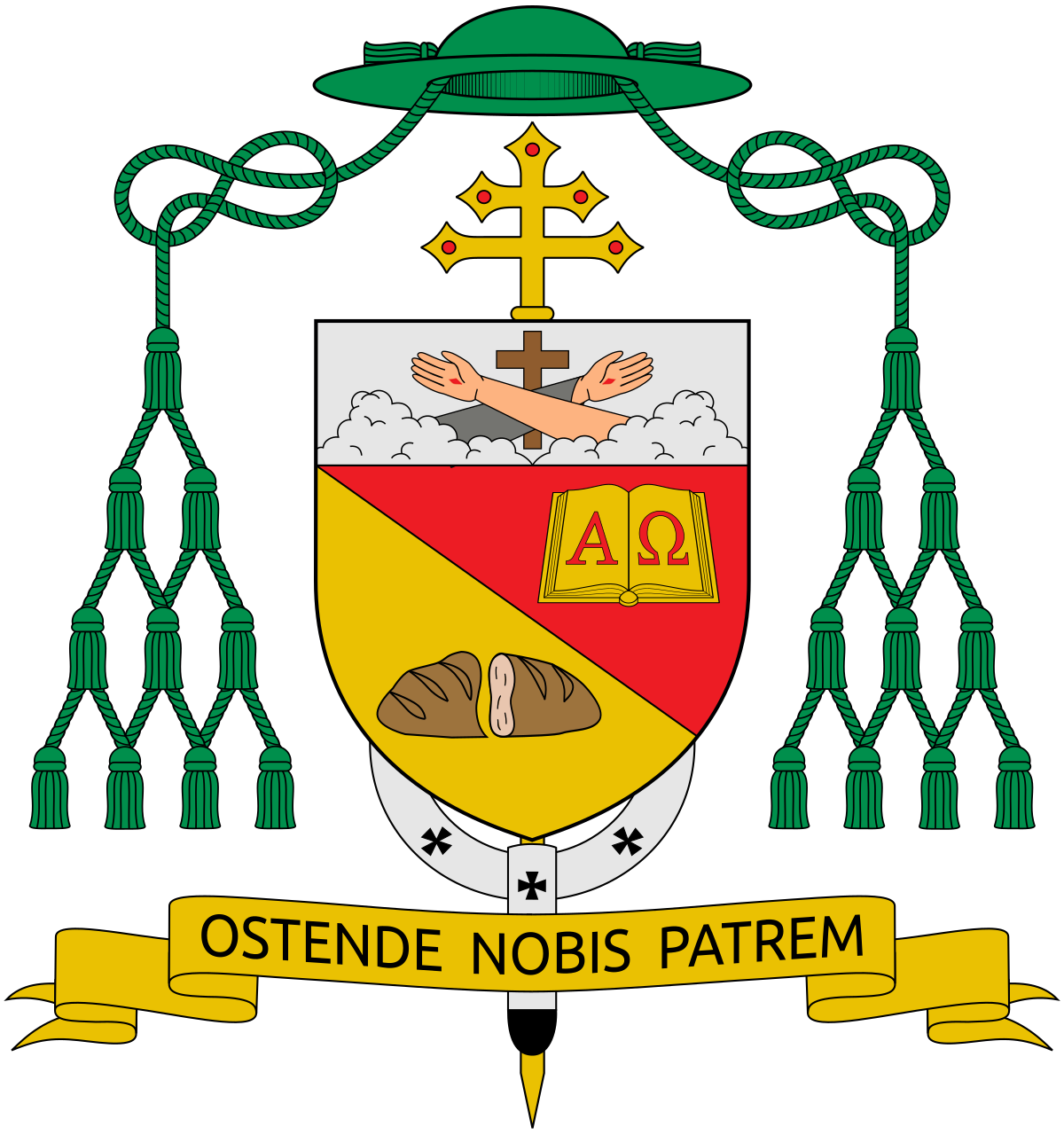
Archbishop of Genoa

U.S. Sen. Cindy Hide-Smith

The Episcopal Church in Europe
Sons of The American Legion – MS

The Episcopal Diocese of Mississippi
Apostolic Nunciature to the U.S.A.

Washington National Cathedral
American Legion Post #77
Armed Forces and Federal Ministries of The Episcopal Church

Friendship Oak DAR Chapter
VFW Post 8862

State of Mississippi
Colorado House of Representatives